
In recent years, the global energy landscape has undergone significant changes, with liquefied natural gas (LNG) emerging as a key force in the search for cleaner and more sustainable energy solutions. LNG plants, which convert natural gas into a liquid form for easier storage and transportation, are leading this transformation. As we gain a deeper understanding of the technological advancements in LNG plants, we discover that these facilities are not only crucial for meeting global energy needs but also of great significance for promoting environmental sustainability.
Liquefied natural gas (LNG) is gaining increasing attention, primarily due to its lower carbon emissions compared to traditional fossil fuels. The volume of liquefied natural gas is only a fraction of its gaseous state, making it ideal for long-distance, efficient energy transportation. This efficiency is particularly beneficial for countries lacking domestic energy resources, enabling them to import LNG and reduce carbon emissions. As countries strive to achieve climate goals, LNG plants play a crucial role in driving the energy transition.
Technological Advancements in LNG Plants
In recent years, technological advancements in liquefied natural gas (LNG) plants have significantly improved their operational efficiency and environmental performance. Innovative technologies such as advanced cryogenic processes and improved heat exchange systems have reduced energy consumption during liquefaction. These improvements have not only lowered operating costs but also minimized greenhouse gas emissions, aligning with global sustainable development goals. Furthermore, the application of digital technologies such as artificial intelligence and machine learning has revolutionized the monitoring and management of LNG plants, enabling real-time data analysis and predictive maintenance. This proactive approach enhances safety and reliability, ensuring LNG plants operate at their optimal condition.
Small-Scale LNG Plants: Expanding Access
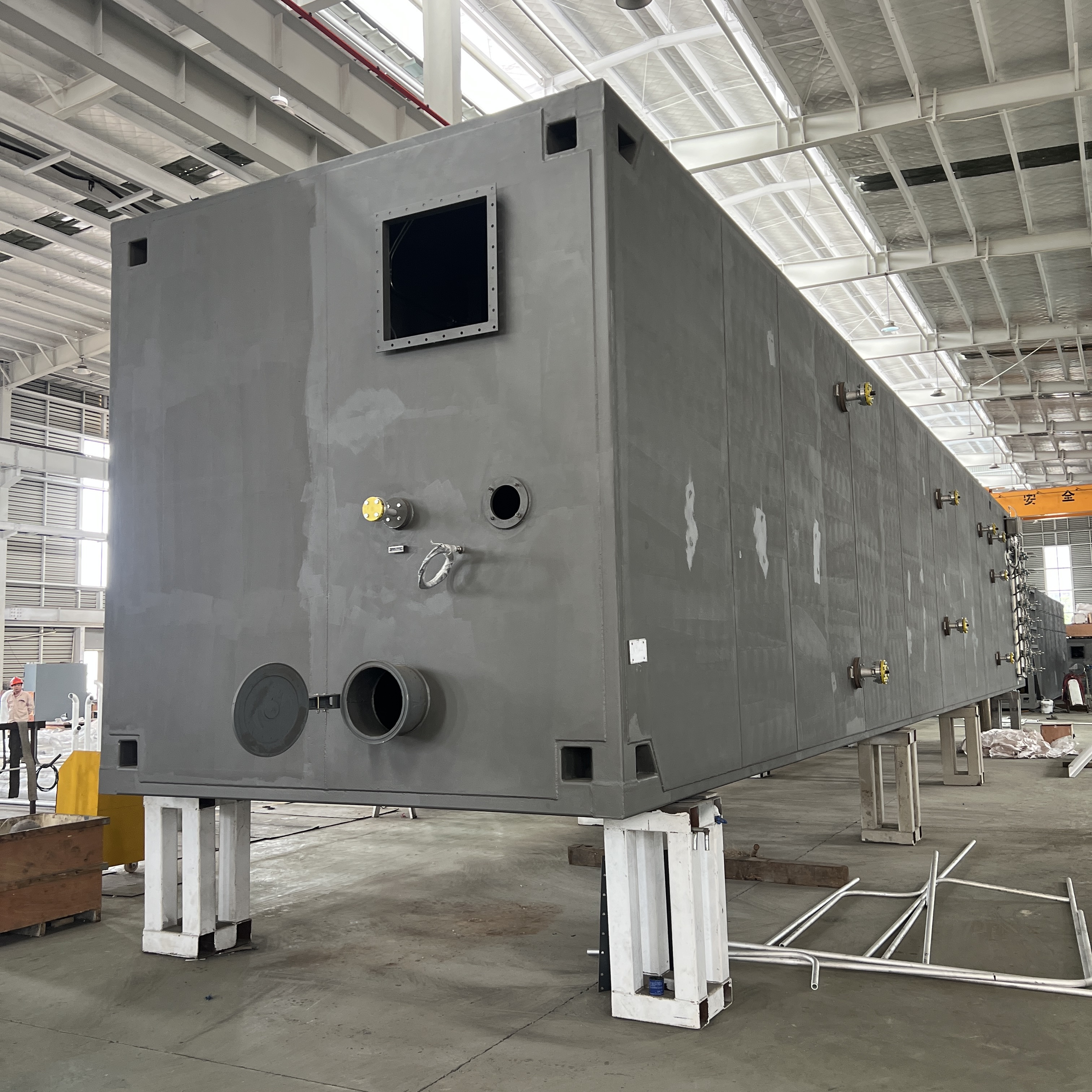
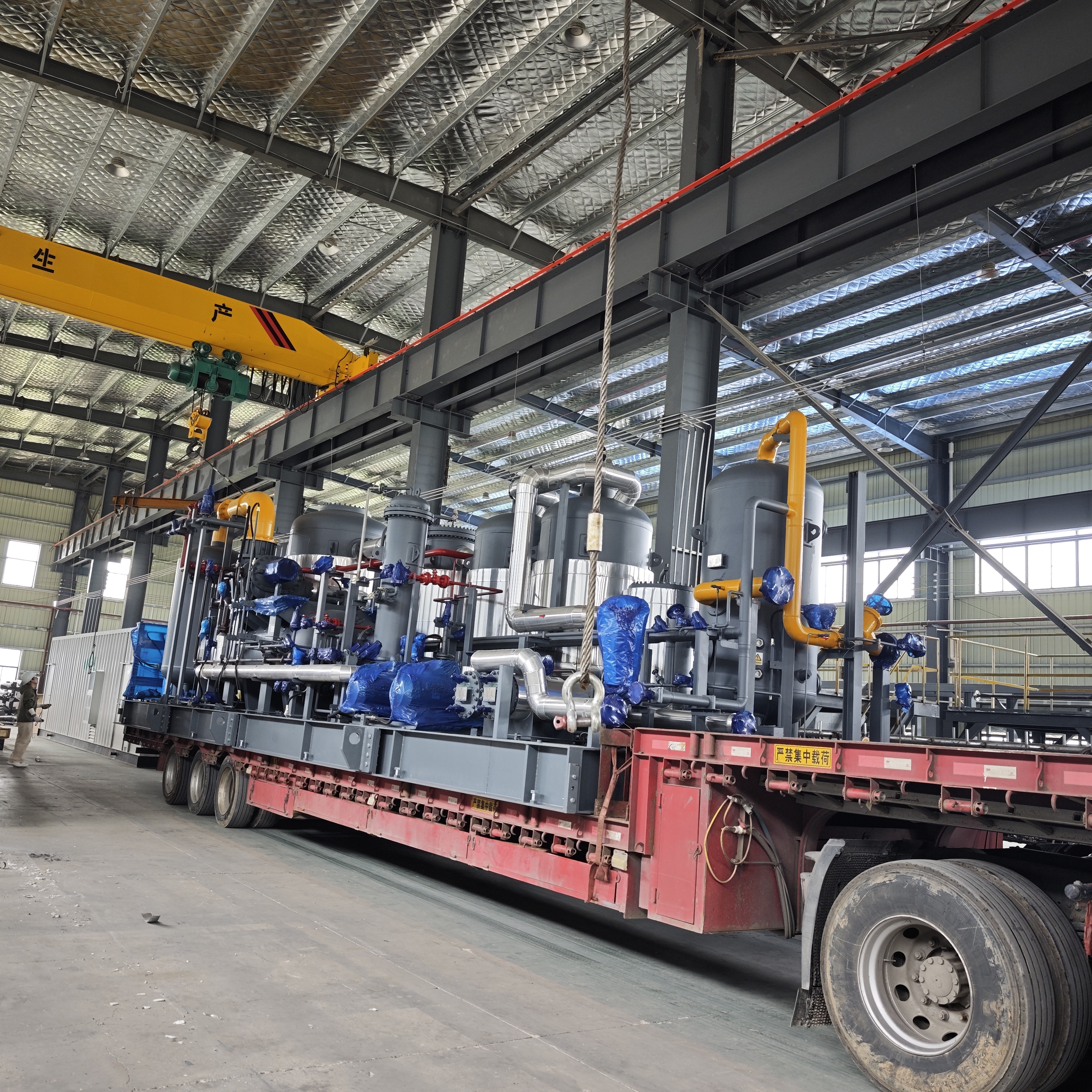
Furthermore, the development of small-scale LNG plants has opened new avenues for the industry. These plants are designed to serve local markets and industries, providing a flexible and cost-effective solution for regions that need energy but may lack large-scale LNG import infrastructure. By decentralizing LNG production, small plants contribute to improved energy security and resilience, particularly in remote or underserved areas. This trend is particularly encouraging as it aligns with the global trend towards energy democratization, enabling communities to utilize local resources and reduce their dependence on imported fuels.
Environmental Benefits & Carbon Capture
The environmental benefits of liquefied natural gas (LNG) plants extend far beyond their operational efficiency. Many modern LNG plants are designed with sustainability in mind from the outset, incorporating technologies such as carbon capture and storage (CCS). These innovations help reduce carbon dioxide emissions, further enhancing the environmental benefits of LNG as a clean energy source. In the current global context of addressing climate change challenges, LNG plants’ commitment to developing and applying these technologies demonstrates the industry’s strong commitment to sustainable development.
Conclusion: LNG Leading the Clean Energy Future
In conclusion, advancements in liquefied natural gas (LNG) plant technology represent a significant leap forward in the energy sector. As we continue to explore the complexities of energy production and consumption, LNG plants stand out as a model of innovation and sustainable development. LNG plants offer cleaner energy than traditional fossil fuels, and coupled with ongoing technological advancements, they have become an indispensable part of the global energy mix. Looking ahead, the enthusiasm for LNG plants lies not only in meeting current energy needs but also in building a sustainable and resilient energy landscape for future generations. The journey towards a cleaner energy future is steadily underway, and LNG plants are leading this transformation.
Post time: Apr-15-2026