
Air Separation Unit Process: Leading Manufacturer Insights in China
Are you in need of a reliable Air Separation Unit Process? We specialize in providing cutting-edge solutions in China, aimed at meeting the demands of various industries. Our advanced technology effectively separates air into its primary components, ensuring high purity levels for oxygen, nitrogen, and argon. With our expert team of manufacturers, we work closely with clients to customize the unit according to your specific needs. Whether you are in healthcare, food processing, or any other sector, I can assure you that our air separation units offer efficiency and sustainability. We pride ourselves on our commitment to quality and performance, ensuring that our products not only meet but exceed industry standards. Don't miss out on the opportunity to enhance your operations with our top-tier air separation solutions. Reach out today to see how we can help you achieve your goals.

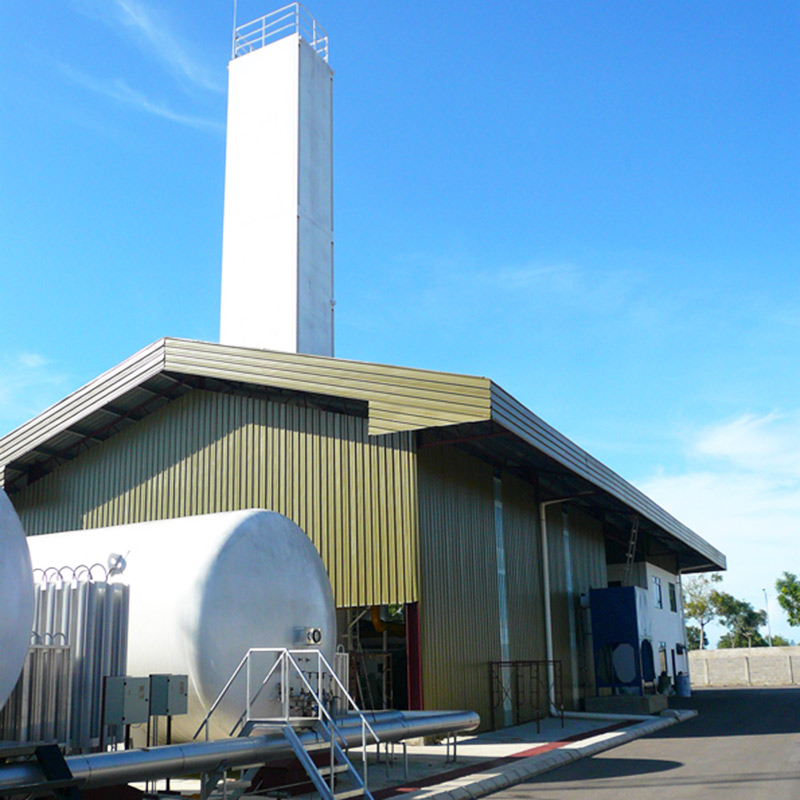

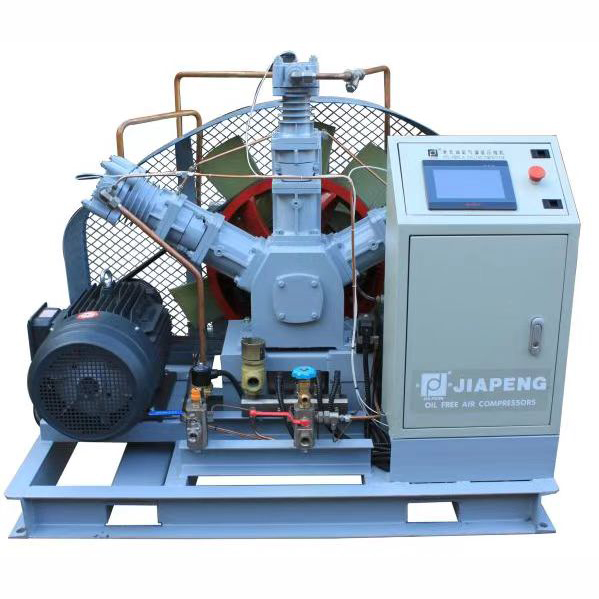


Air Separation Unit Process Is The Best Where Innovation Meets 2025
The air separation unit (ASU) process represents a critical advancement where innovation and efficiency converge, particularly as we approach 2025. With the increasing demand for oxygen, nitrogen, and argon across various industries—including healthcare, metallurgy, and electronics—the technological evolution of ASUs is essential for meeting both current and future market needs. The integration of cutting-edge technologies, such as advanced cryogenic methods and energy optimization techniques, is key to enhancing the operational efficiency of air separation processes, thus reducing costs and carbon footprints. As global procurement managers seek reliable suppliers who prioritize quality and sustainability, the implementation of smart, automated ASU systems stands out. These systems not only ensure high purity levels and output but also optimize maintenance processes through predictive analytics. Furthermore, the shift towards green energy and the emphasis on environmental stewardship has propelled innovations like modular ASUs, which offer flexibility and scalability to businesses of all sizes, enabling them to adapt to changing market dynamics with ease. Looking ahead to 2025, the air separation unit process is poised to play a pivotal role in supporting the global transition towards sustainable industrial practices. Partnering with innovative manufacturers committed to enhancing ASU technology ensures that companies can secure a reliable supply of essential gases while remaining competitive in an evolving marketplace. This synergy of innovation and practicality will help businesses not only meet their current operational demands but also future-proof their strategies in an increasingly volatile economic landscape.
Air Separation Unit Process Is The Best Where Innovation Meets 2025
| Dimension | Description | Current Trend (2023) | Future Outlook (2025) |
|---|---|---|---|
| Efficiency | Energy consumption and separation effectiveness | 30% reduction in energy use compared to 2019 | Further innovations expected to achieve another 15% reduction |
| Technology | New membranes and adsorption processes | Growing adoption of advanced membrane technology | Projected double adoption rate by 2025 |
| Sustainability | Environmental impact and resource usage | Increasing regulations driving changes | Shift towards carbon-neutral technologies |
| Market Growth | Global demand for separated gases | Estimated 5% annual growth | Projected to reach $10 billion by 2025 |
Related Products

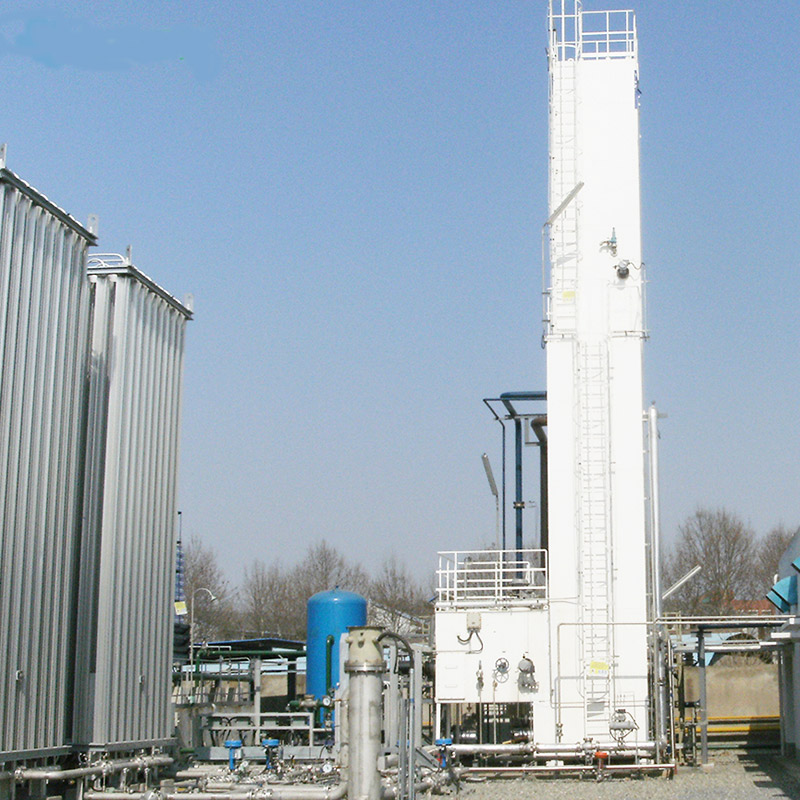
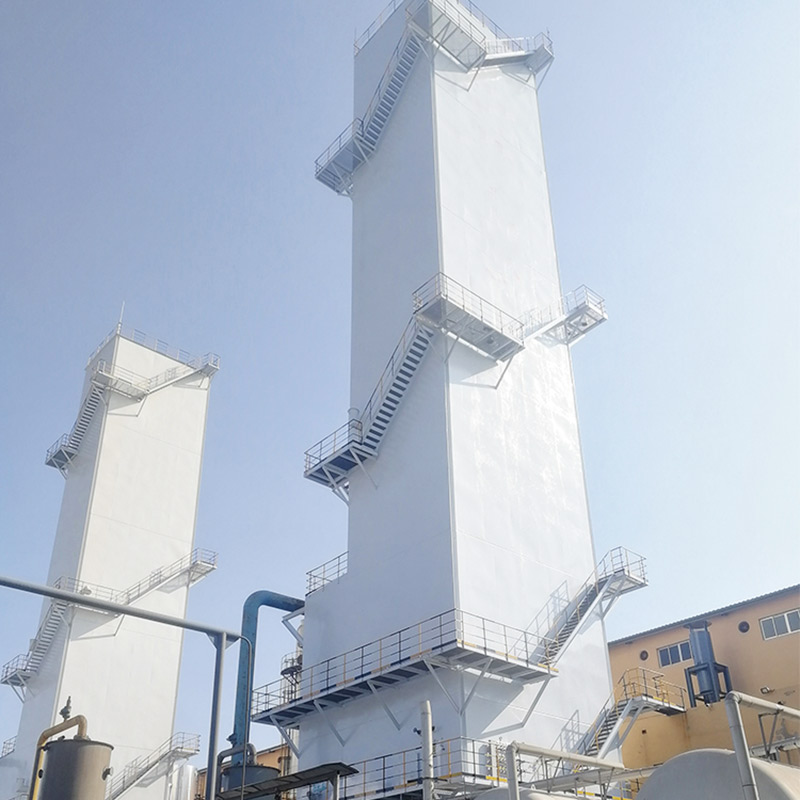
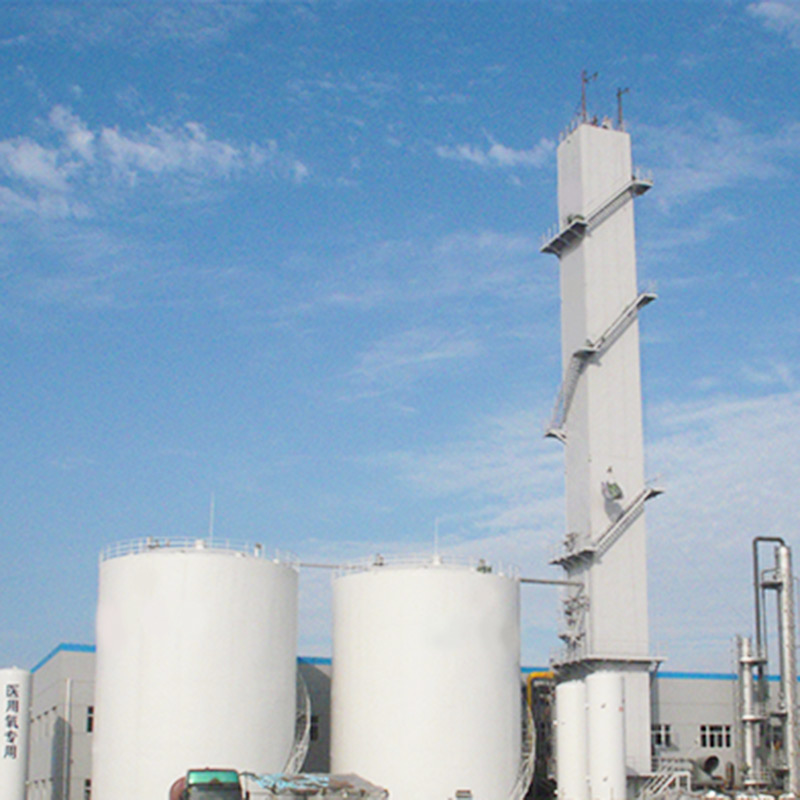
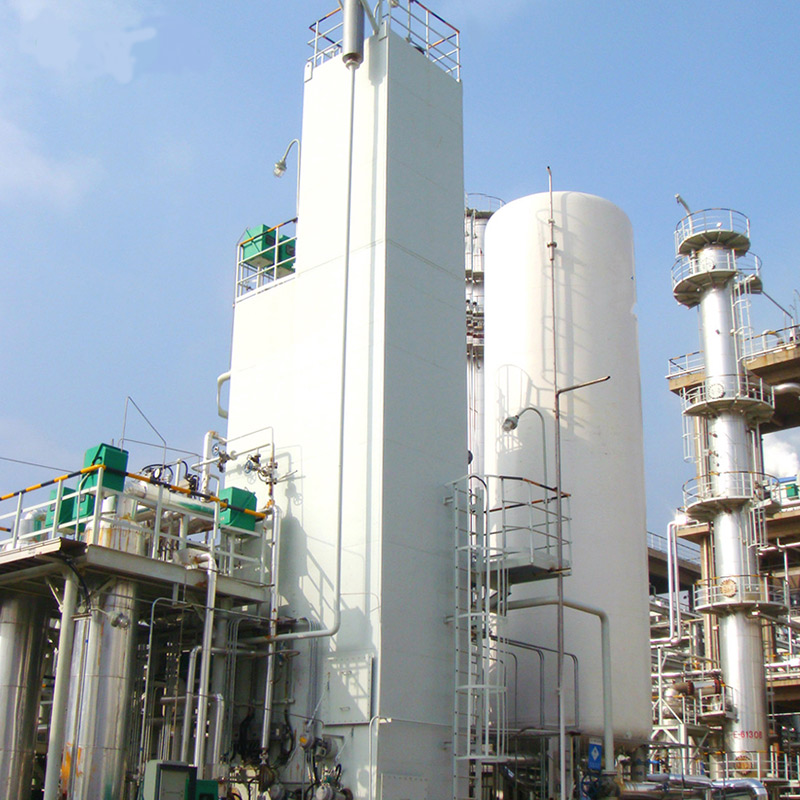
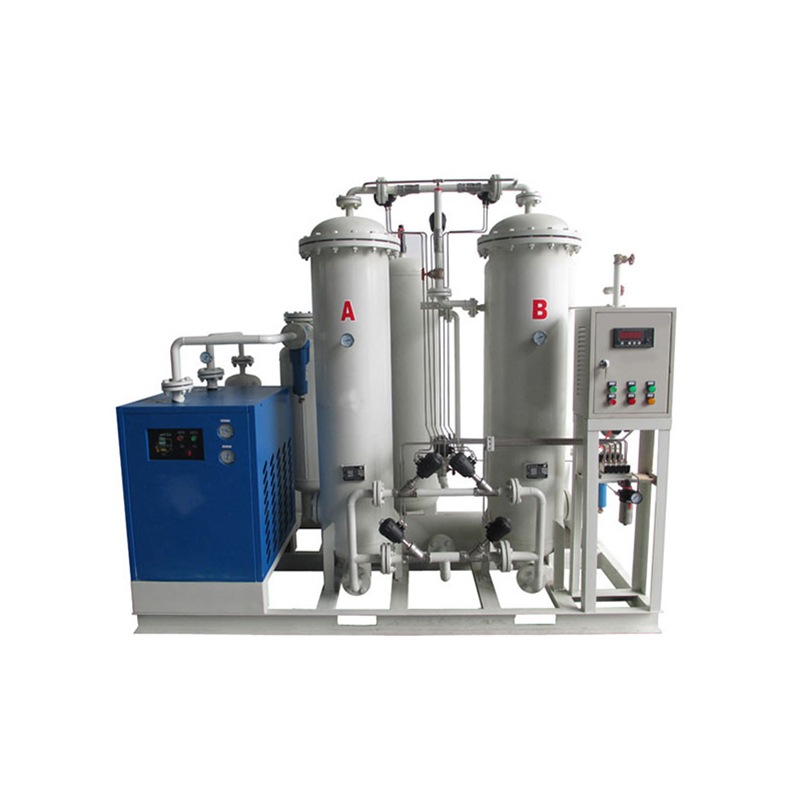

Air Separation Unit Process Guarantees Peak Performance From Concept to Delivery
Top Selling Products


- Related Blog
- Reviews
