
Top Air Separation Unit Types from Leading Manufacturers in China
When it comes to Air Separation Unit types, I understand the importance of choosing the right equipment for your needs. Our cutting-edge units are designed to efficiently separate gases, providing high purity oxygen, nitrogen, and argon. As a manufacturer in China, we pride ourselves on our advanced technology and reliable products, tailored to meet diverse industrial requirements. Whether you’re in the chemical, medical, or metal industry, our air separation units can enhance your production processes and lower operational costs. I can assure you of the quality and durability of our solutions. Plus, our competitive pricing makes us an ideal partner for B2B businesses looking to scale efficiently. Let’s work together to find the perfect air separation solution that fits your specifications. I’m here to discuss any queries you might have and help you navigate through the various options available. Your success is my priority!

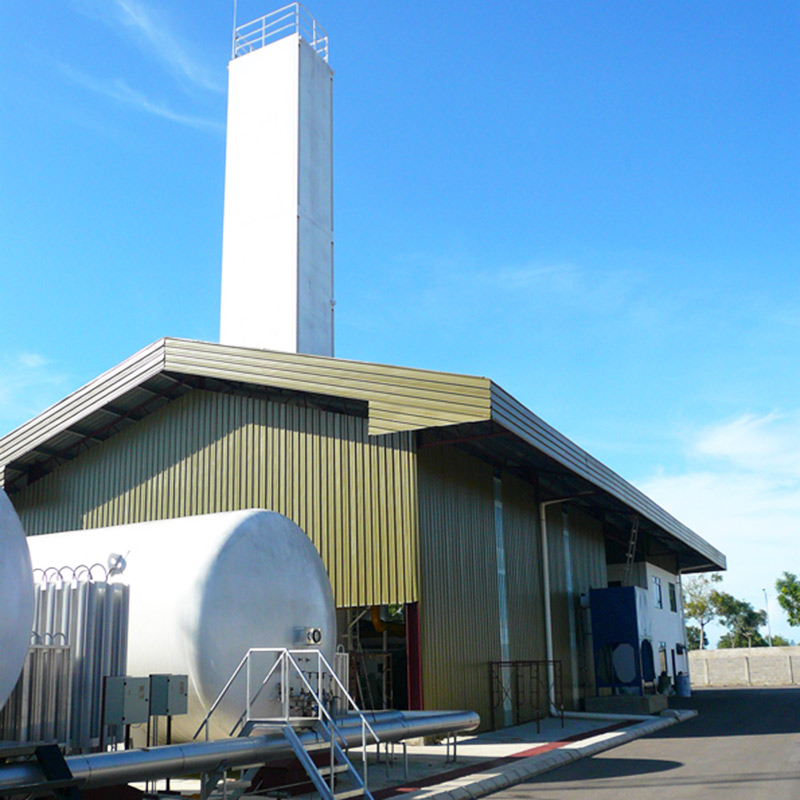

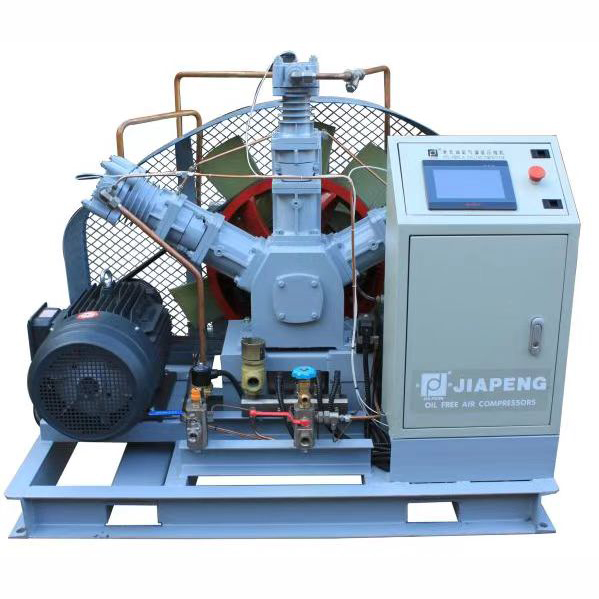


Air Separation Unit Types Industry Giant For the Current Year
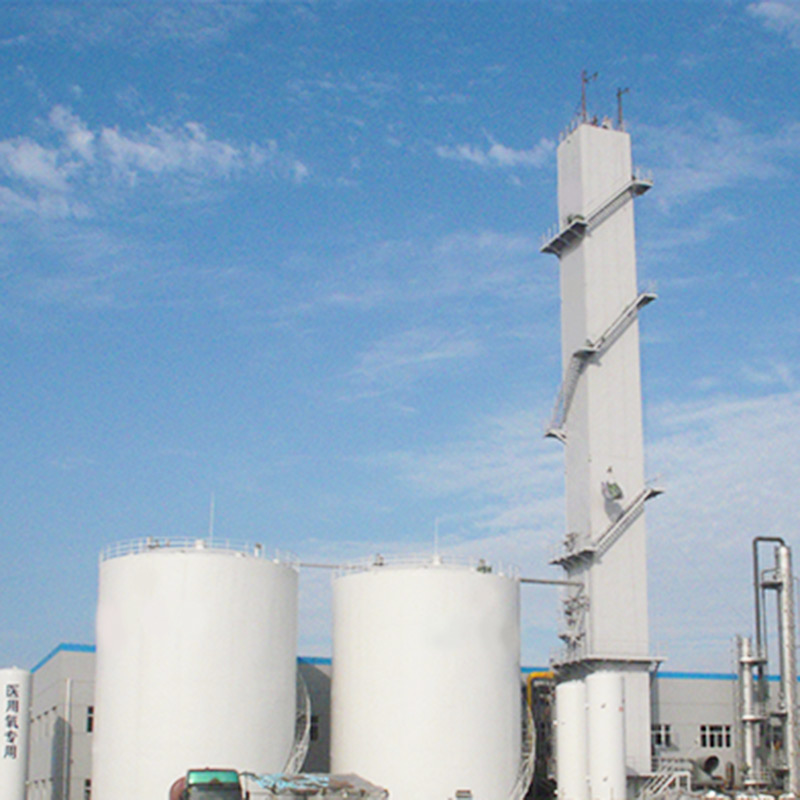
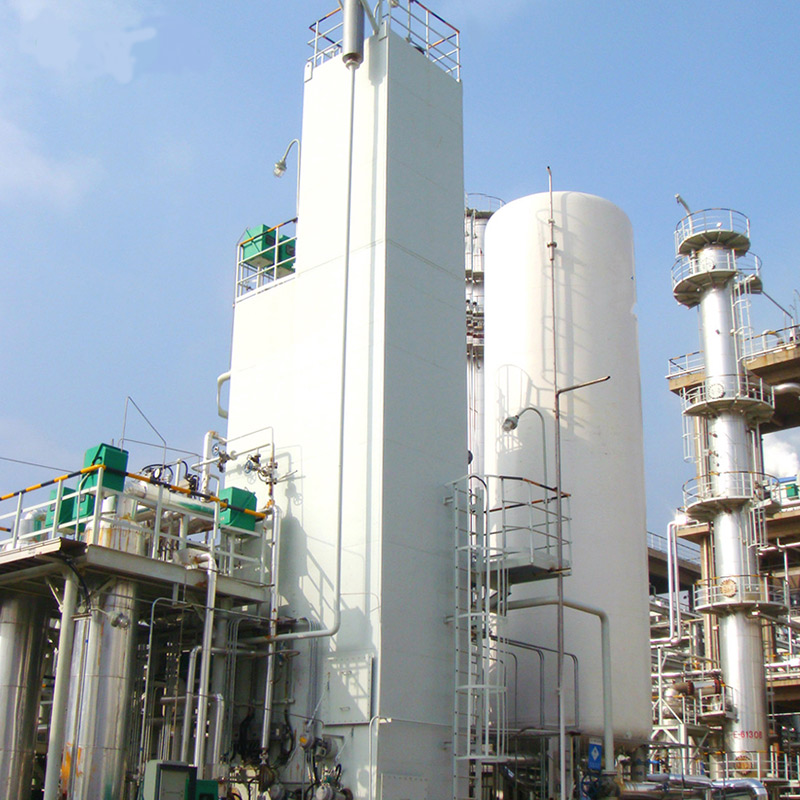
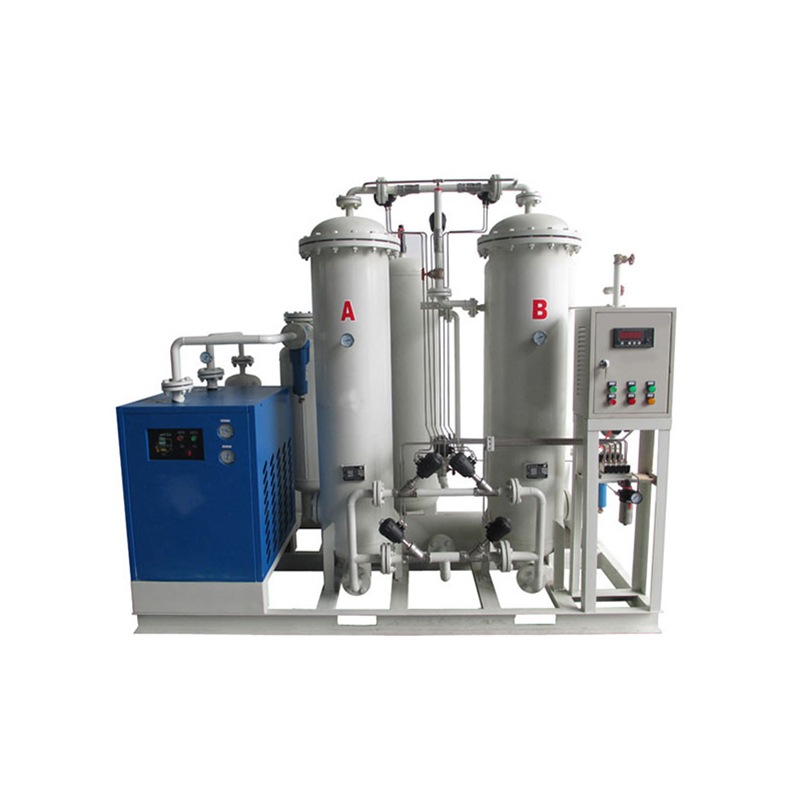
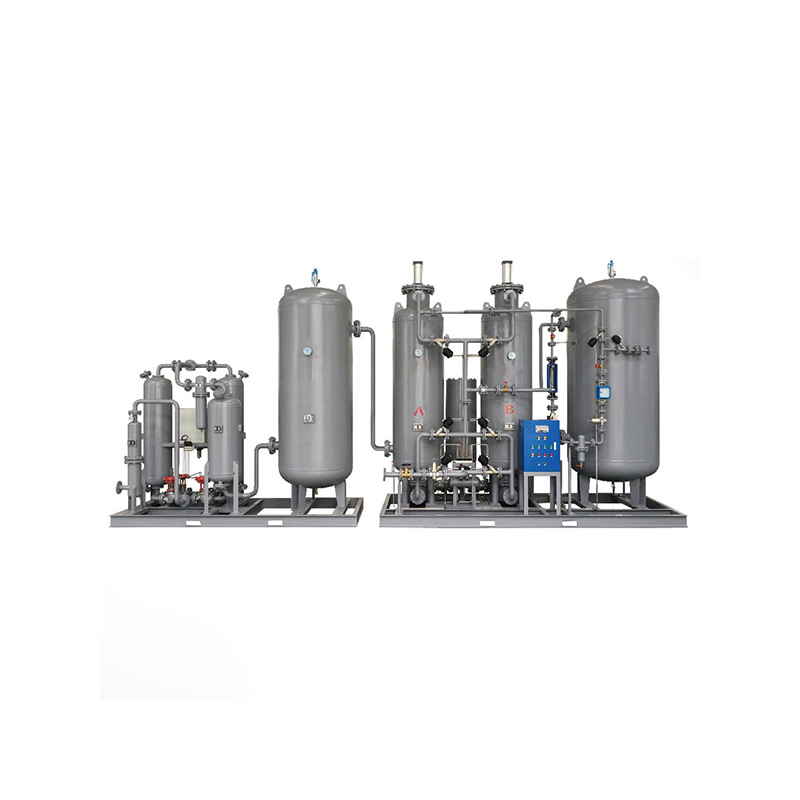
In the dynamic landscape of air separation technology, understanding the various types of air separation units (ASUs) is crucial for procurement professionals aiming to optimize their operations. This year, industry giants have developed advanced ASU designs that cater to diverse industrial needs, enhancing efficiency and sustainability. With innovations in cryogenic processes and membrane technologies, today's ASUs can deliver high-purity gases while minimizing energy consumption and operational costs. As global demand for oxygen, nitrogen, and argon continues to rise, the versatility of ASUs has become more apparent. For industries such as healthcare, metal production, chemicals, and electronics, selecting the right ASU type can significantly impact productivity and environmental compliance. From large-scale centralized plants to modular systems suitable for smaller operations, each configuration offers unique benefits tailored to specific operational requirements. Navigating this landscape requires a thorough understanding of the different ASU technologies available. Factors such as production capacity, gas purity requirements, and energy efficiency should guide procurement decisions. By staying informed about the latest trends and innovations in air separation solutions, global buyers can make strategic choices that drive their operations forward while ensuring competitiveness in an ever-evolving market.
Air Separation Unit Types Industry Giant For the Current Year
| Unit Type | Capacity (Nm³/hr) | Technology | Efficiency (%) | Application Area |
|---|---|---|---|---|
| Cryogenic Distillation | 2000 | Cryogenic | 90 | Industrial Gas Production |
| Pressure Swing Adsorption | 1500 | PSA | 85 | Medical Oxygen |
| Membrane Separation | 1000 | Membrane | 75 | Nitrogen Generation |
| Cryogenic Air Separation | 5000 | Cryogenic | 92 | Steel Industry |
| Vacuum Pressure Swing Adsorption | 1200 | VPSA | 80 | Chemical Industry |
Related Products

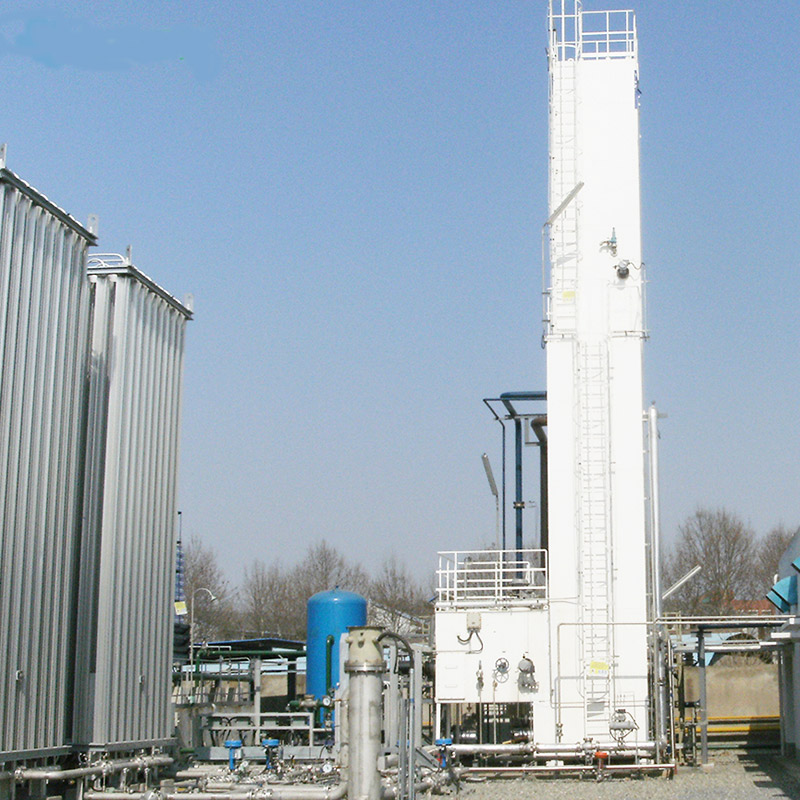
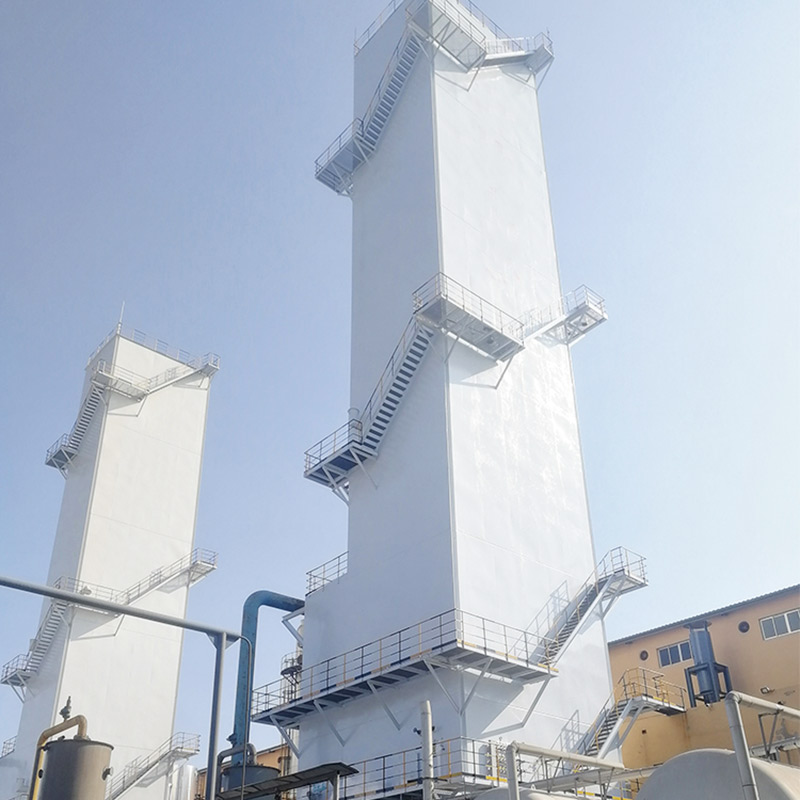

Air Separation Unit Types Where Innovation Meets 2025 Manufacturers You Can Rely On
Top Selling Products


- Related Blog
- Reviews
